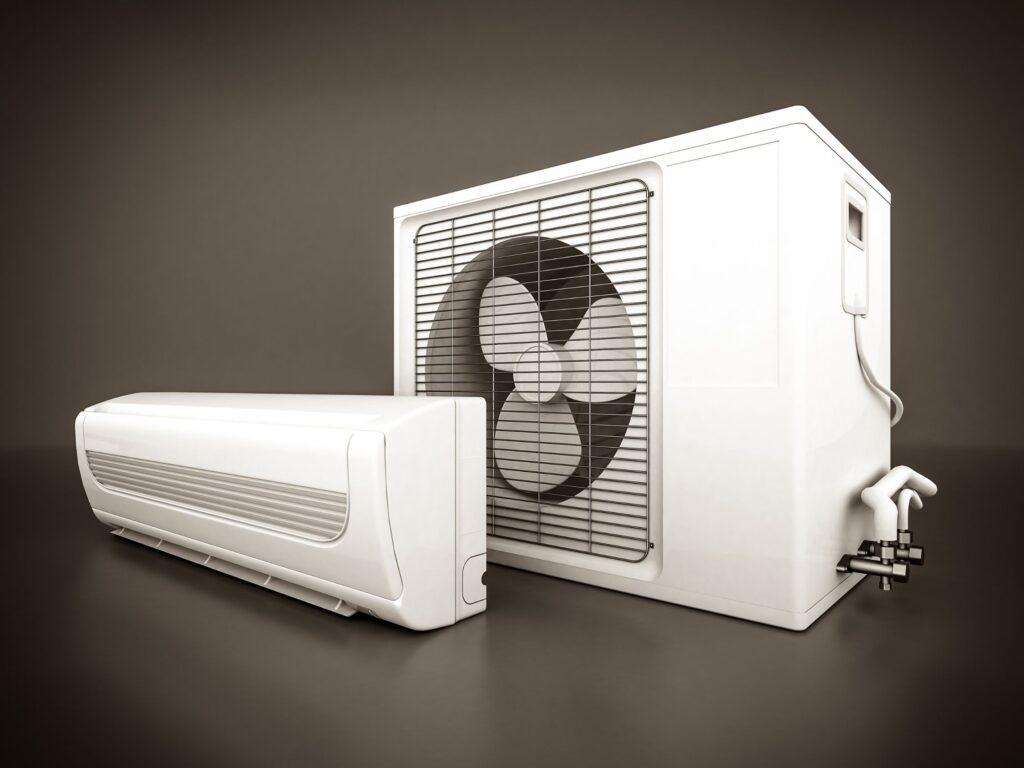
The national average lifespan for a central air conditioner is commonly cited as 15 to 20 years. But in Southern California — where AC systems run longer, harder, and under more consistent thermal stress than almost anywhere else in the country — that figure deserves a closer look. For Downey homeowners, understanding what actually determines AC lifespan, what shortens it, and when replacement makes more sense than repair is essential to making smart, cost-effective decisions about one of the largest mechanical systems in the home.
This guide gives you the honest picture: what to expect from a Southern California AC system, what influences how long yours will last, the clear signs that replacement is the right call, and what a proper AC system replacement looks like from a company that has been handling them in Downey since the early 1970s.
The Real Lifespan of an AC System in Southern California
A well-maintained central air conditioner in a mild climate — say, the Pacific Northwest, where AC runs perhaps 30 to 60 days a year — can last 20 years or more. The same model installed in Downey, where it may run 7 to 9 months of the year and face extended periods of operation during heat events, experiences dramatically different wear.
A realistic lifespan for a central AC system in Southern California, with regular maintenance, is:
- 12 to 15 years: Typical for a system in a home with average insulation, that runs heavily during summer heat events, and has received consistent annual maintenance
- 15 to 18 years: Achievable for a system that was correctly sized at installation, has been well maintained throughout its life, and serves a home with good insulation and shade on the outdoor unit
- Under 10 years: Not uncommon for systems that were incorrectly sized, received little or no maintenance, ran with low refrigerant for extended periods, or experienced compressor stress from short cycling or overheating
The variance is significant — and most of it is within a homeowner’s control. The decisions made about maintenance, timely repairs, and operating habits have a measurable impact on whether a system reaches 12 years or 18.
What Shortens AC Lifespan in the Downey Area
Running with low refrigerant:
A system low on refrigerant from an unrepaired leak runs its compressor under excessive load and elevated temperature. The compressor is the most expensive component in the system and the most sensitive to heat stress. Even a slow, gradual refrigerant leak that takes months to produce obvious cooling symptoms is doing cumulative damage to the compressor throughout that period. Refrigerant leaks found and repaired early protect the compressor; leaks left unaddressed shorten compressor life significantly.
Incorrect system sizing:
An oversized AC system short cycles — it satisfies the thermostat setpoint quickly and shuts off before completing a full operating cycle. Short cycling is mechanically hard on the compressor, which experiences the highest stress at startup. A compressor that starts and stops dozens of times per day accumulates wear much faster than one running full, properly-timed cycles. Correct sizing, determined by a Manual J load calculation, is one of the most important factors in long system life.
Deferred maintenance:
Dirty evaporator and condenser coils force the system to work harder to achieve the same heat transfer. A partially blocked filter restricts airflow and causes the evaporator to operate at lower temperatures than designed. Failing capacitors and contactors — which degrade before they fail and are identifiable during maintenance visits — cause compressor damage when they ultimately fail mid-cycle. Annual maintenance catches all of these before they become failures.
Southern California’s heat and usage demands:
This one is simply unavoidable. A system that runs from April through October, faces multi-day heat events where outdoor temperatures exceed 100 degrees, and must maintain indoor temperatures 30 or 40 degrees below ambient is doing work that most systems in the country never face. The thermal cycling, the sustained compressor operation, and the heat stress on electrical components all accumulate over years of Southern California operation. It is not a flaw in the equipment — it is the consequence of the climate it serves.
The 8 Signs It Is Time for AC System Replacement in Your Downey Home
The decision between repair and replacement is not always obvious. Here are the signs that consistently point toward replacement being the smarter long-term choice:
1. The System Is More Than 12 to 15 Years Old
Age alone is not a reason to replace a functioning system. But age in combination with any of the other signs below shifts the calculation significantly. A 14-year-old system that needs a major repair is a system that may need another major repair within two or three years regardless. Putting significant money into aging equipment is rarely the most economical path.
2. The Compressor Has Failed or Is Failing
Compressor replacement is the most expensive single repair in residential AC. For a system under warranty, compressor replacement may be covered. For a system past warranty age, compressor replacement can cost 50 to 70 percent of the price of a new, complete system — without addressing any of the other aging components. In most cases, a failed compressor on a system more than 10 years old is the clearest trigger for a replacement conversation.
3. Repair Costs Exceed 50 Percent of Replacement Cost
This is the standard rule of thumb used by HVAC professionals: if the cost of a repair exceeds half the cost of replacing the system with a comparable new unit, replacement almost always delivers better value. The repaired system is still aging; the new system comes with a warranty, improved efficiency, and years of reliable service ahead.
4. R-22 Refrigerant System With a Significant Leak
R-22 — the refrigerant in systems manufactured before approximately 2010 — was phased out under EPA regulations, and production ended in the United States in 2020. R-22 is now only available from recovered stocks, making it several times more expensive than current refrigerants. A system that uses R-22 and has developed a meaningful leak faces a recharge cost that often makes replacement the more economical choice, particularly combined with the efficiency gains of a modern system.
5. Escalating Energy Bills Without Increased Use
Modern AC systems are dramatically more efficient than equipment from 10 to 15 years ago. A system with a SEER rating of 10 or 12 — common in equipment from the early 2000s — uses substantially more electricity than a modern system rated at SEER 16 or higher. In Southern California, where AC runs most of the year and utility rates are among the highest in the country, that efficiency gap translates to meaningful monthly savings that offset a meaningful portion of the replacement investment over time.
6. Frequent Repairs Over Recent Seasons
A system that has needed multiple repairs in a two or three year period is showing systemic decline. Individual components wear out roughly in sequence as a system ages — capacitor this year, contactor next year, motor bearing the year after. Each repair restores one component while leaving all the other aging components in place. The pattern of escalating repair frequency is a reliable signal that the system is approaching end of life.
7. Inconsistent Comfort Despite Working Equipment
If a system has been repaired and maintained but still struggles to cool the home evenly, cannot keep up during heat events, or requires the thermostat to be set significantly lower than the desired indoor temperature — the system may simply no longer have the capacity to serve the home reliably. Replacement with a correctly sized, modern system often resolves chronic comfort issues that repairs never fully addressed.
8. The System Uses Outdated Technology
Older systems lack variable-speed blowers, two-stage or variable-capacity compressors, smart thermostat compatibility, and the efficiency improvements that modern equipment delivers as standard. Our AC system replacement service in Downey installs modern, energy-efficient equipment selected and sized specifically for your home — so the new system delivers better comfort and lower operating costs than what it replaces.
What About the Furnace? Replacement Timing for Heating Systems
If your AC system is approaching end of life, it is worth evaluating your furnace at the same time. In Southern California, furnaces run far less than AC systems — but they do run, and a furnace that was installed alongside a now-aging AC system is likely a similar age. Replacing both systems simultaneously has real practical advantages:
- A single installation visit and disruption rather than two separate projects
- Matched system components that are designed to work together — critical for efficiency and warranty coverage on many systems
- One contractor, one warranty conversation, and one relationship to manage
- The ability to right-size the complete system as a unit rather than trying to match a new AC to an aging furnace that may not be correctly matched
Lambert Heating and Air Conditioning handles both. Our furnace replacement service in Downey upgrades heating systems alongside your AC — so when the time comes to replace both, you deal with one company that knows your home’s HVAC setup and can coordinate the full project correctly.
What Proper AC System Replacement Looks Like
A replacement is only as good as the process behind it. Here is what a correct AC replacement involves — and why each step matters:
- Manual J load calculation: The correct size for your replacement system is determined by your home’s specific construction — square footage, insulation levels, window area and orientation, ceiling height, and local climate data. A system sized to match the old unit’s tonnage is not necessarily correctly sized; homes change over the years, and the original sizing may have been wrong to begin with
- System selection: Efficiency rating (SEER), single-stage versus two-stage or variable-capacity operation, and compatibility with your existing duct system and thermostat all factor into the right system selection for your home and budget
- Proper removal and disposal: The old system — including refrigerant, which must be recovered by a certified technician and cannot be released to atmosphere — is removed and disposed of correctly
- Installation to manufacturer specifications: Correct refrigerant charge (weighed in, not estimated), proper electrical connections, correct airflow configuration, and installation of a new disconnect and pad if needed
- System commissioning and testing: The completed installation is run through a full operating cycle, airflow is verified, and the technician confirms the system is operating within specification before the job is closed
How Maintenance Extends Your New System’s Lifespan
A new AC system is an investment — and the decisions made in the first few years of its life significantly affect how long it serves you reliably. Annual maintenance visits catch the early indicators of wear before they become failures, keep coils clean for optimal efficiency, and maintain the refrigerant charge at specification. A system that receives consistent annual maintenance in Southern California’s demanding climate will reliably outlast a neglected system by several years.
Lambert Heating and Air provides ongoing air conditioning maintenance and service in Downey to protect your replacement investment — the same family-owned team that handled your installation, maintaining your new system with the same care and attention to detail that has made us a fixture in Downey’s HVAC landscape for over 50 years.
Financing Your AC System Replacement
A full AC system replacement is a significant home investment. Lambert Heating and Air Conditioning offers 0% financing for AC system replacement — making it possible to move forward with a correctly sized, energy-efficient system without waiting until you have saved the full amount. The efficiency savings a modern system delivers can offset a meaningful portion of the monthly financing cost over time.
Schedule an AC Replacement Assessment in Downey
If your AC system is aging, increasingly unreliable, or facing a repair that approaches replacement cost, the most useful next step is an honest assessment from a technician who will tell you which path actually makes sense — not just which generates the larger invoice. Schedule an AC system replacement assessment in Downey with Lambert Heating and Air Conditioning — we have been giving Downey homeowners straight answers about their HVAC systems since the early 1970s, and that is not going to change.
Call us at 562-861-2727 or request a quote online. Your comfort is our business — and we will take care of it the right way.
Call 562-861-2727 — AC System Replacement in Downey, CA | Lambert Heating and Air Conditioning